
Pituitary Disorders
John Falcone, M.D., is a New York–based endocrinologist specializing in the comprehensive diagnosis and management of pituitary disorders. He works closely with patients to evaluate complex hormone imbalances, identify underlying pituitary conditions, and restore hormonal balance. Learn how his personalized, evidence-based approach can help you effectively manage pituitary disorders, alleviate symptoms, and support long-term endocrine health and overall well-being.
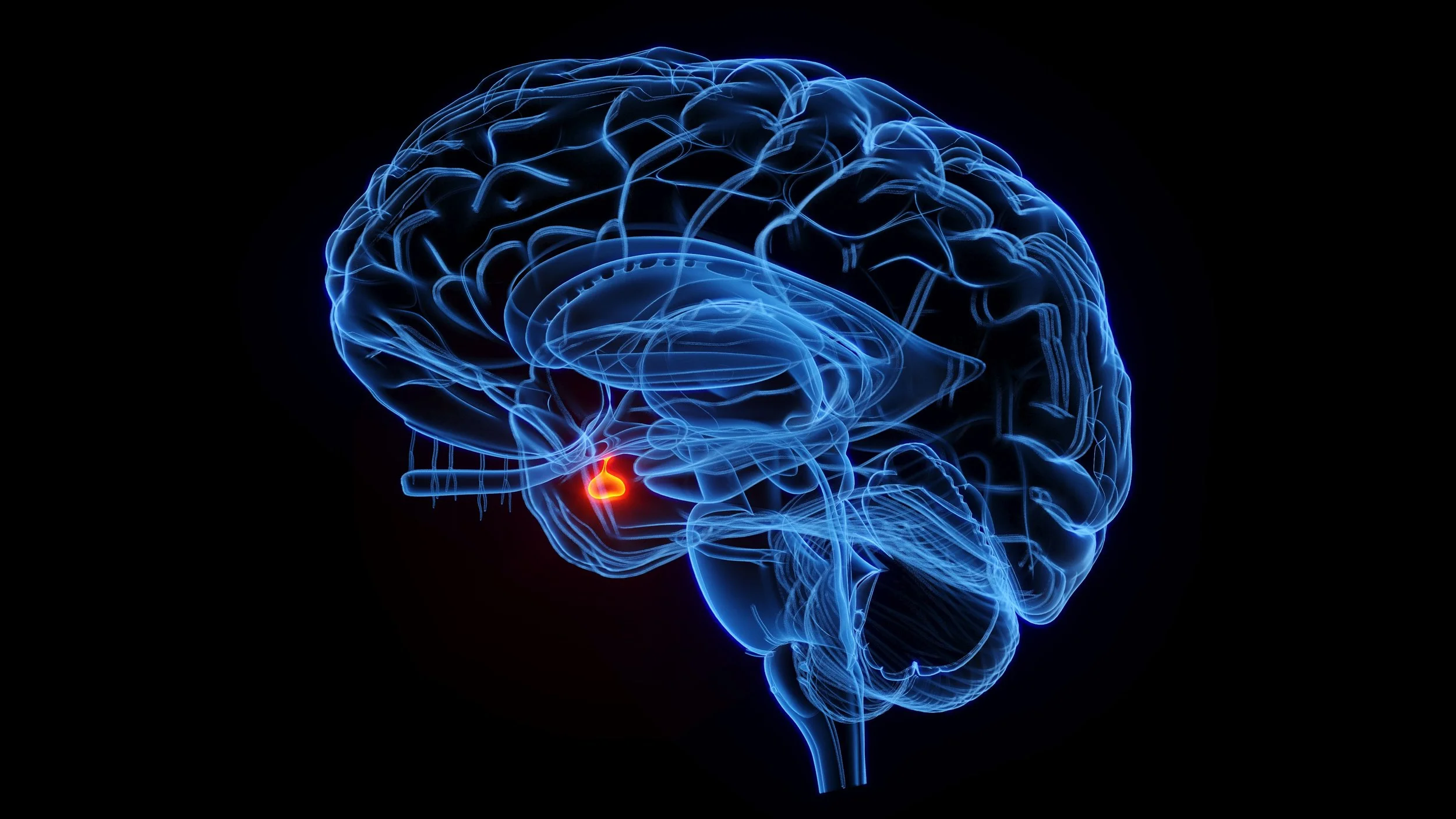
What Are Pituitary Disorders?
The pituitary gland is a small, pea-sized organ located at the base of the brain. Despite its size, it plays a central role in regulating many of the body’s hormones, including those that control growth, metabolism, reproduction, stress response, and water balance. Pituitary disorders occur when the gland produces too much or too little of one or more hormones, or when a structural abnormality affects normal function.
Common pituitary disorders include pituitary adenomas, which are usually benign tumors; prolactinomas, a hormone-secreting subtype of adenoma; diabetes insipidus, a disorder of water regulation; and hypopituitarism, a condition characterized by decreased hormone production. Symptoms vary widely and may include headaches, vision changes, fatigue, weight changes, menstrual irregularities, sexual dysfunction, or excessive thirst and urination.
What Are the Causes of Pituitary Disorders?
Pituitary disorders have several potential causes. Pituitary adenomas arise from abnormal growth of pituitary cells and are typically noncancerous. Some adenomas secrete excess hormones, while others cause symptoms by pressing on nearby structures, such as the optic nerves.
Prolactinomas are caused by tumors that overproduce prolactin, leading to symptoms such as infertility, irregular menstrual cycles, breast milk production outside of pregnancy, or low testosterone in men.
Diabetes insipidus is not related to blood sugar. Instead, it results from insufficient production of antidiuretic hormone (ADH) by the pituitary or impaired kidney response to ADH, leading to excessive urine output and thirst.
Hypopituitarism can develop due to pituitary tumors, surgery, radiation therapy, head injury, infections, or inflammatory conditions that damage pituitary tissue.
What Are the Treatments for Pituitary Disorders?
Treatment depends on the specific disorder, hormone involvement, tumor size, and patient symptoms. Pituitary adenomas may be managed with observation, medication, surgery, or radiation therapy. Many hormone-secreting tumors respond well to medications that reduce hormone levels or shrink tumor size.
Prolactinomas are most often treated successfully with oral medications that lower prolactin levels and reduce tumor growth, avoiding surgery in many cases.
Diabetes insipidus is typically treated with hormone replacement therapy to restore normal water balance and prevent dehydration.
Hypopituitarism requires long-term hormone replacement therapy to restore deficient hormones and support normal body function. Regular monitoring is essential to ensure appropriate dosing and symptom control.
How Dr. John Falcone Can Help You with Pituitary Disorders?
Dr. John Falcone provides comprehensive evaluation and management of pituitary disorders using an individualized, patient-centered approach. Care typically involves detailed hormonal testing, advanced imaging when needed, and coordination with neurosurgery or radiation specialists when appropriate. Dr. Falcone emphasizes clear communication, long-term monitoring, and tailored treatment plans designed to optimize hormonal balance, reduce symptoms, and improve quality of life.
Meet Dr. John Falcone
Dr. John Falcone is a Weill Cornell-trained Endocrinologist with the highest caliber medical education, training, board certifications and specialization for disorders and conditions of the endocrine system, practicing in the Upper East Side of NYC. Dr. Falcone places an emphasis on comprehensive care that focuses on treating a patient as a whole person with individualized treatment plans and taking the approach of maintaining health through prevention.


Book your appointment today and begin managing your endocrine condition with New York Upper East Side endocrinologist Dr. John Falcone
Our Location
Address
215 East 68th Street
Suite 8
New York, NY 10065
Get directions
Contact
Phone: (212) 288-2869